Exploring Key Nutrients and Beneficial Dietary Practices for Men's Overall Well-being
Educational content only. No promises of outcomes.
Discover objective nutritional science and evidence-based dietary principles designed to support your understanding of nutrition and healthy eating patterns.
Introduction to Men's Nutritional Well-being
Understanding nutrition is fundamental to appreciating how food impacts overall vitality and well-being. This educational resource provides objective information about nutrients, food sources, and dietary principles relevant to adult male health.
Nutrition science explores how macronutrients and micronutrients from food support bodily functions. Whether you're interested in learning about balanced eating patterns, specific vitamins and minerals, or general healthy lifestyle principles, this site offers comprehensive, scientifically-grounded information presented without commercial intent.
Explore Nutritional Insights
Understanding Macronutrients: The Building Blocks of Diet
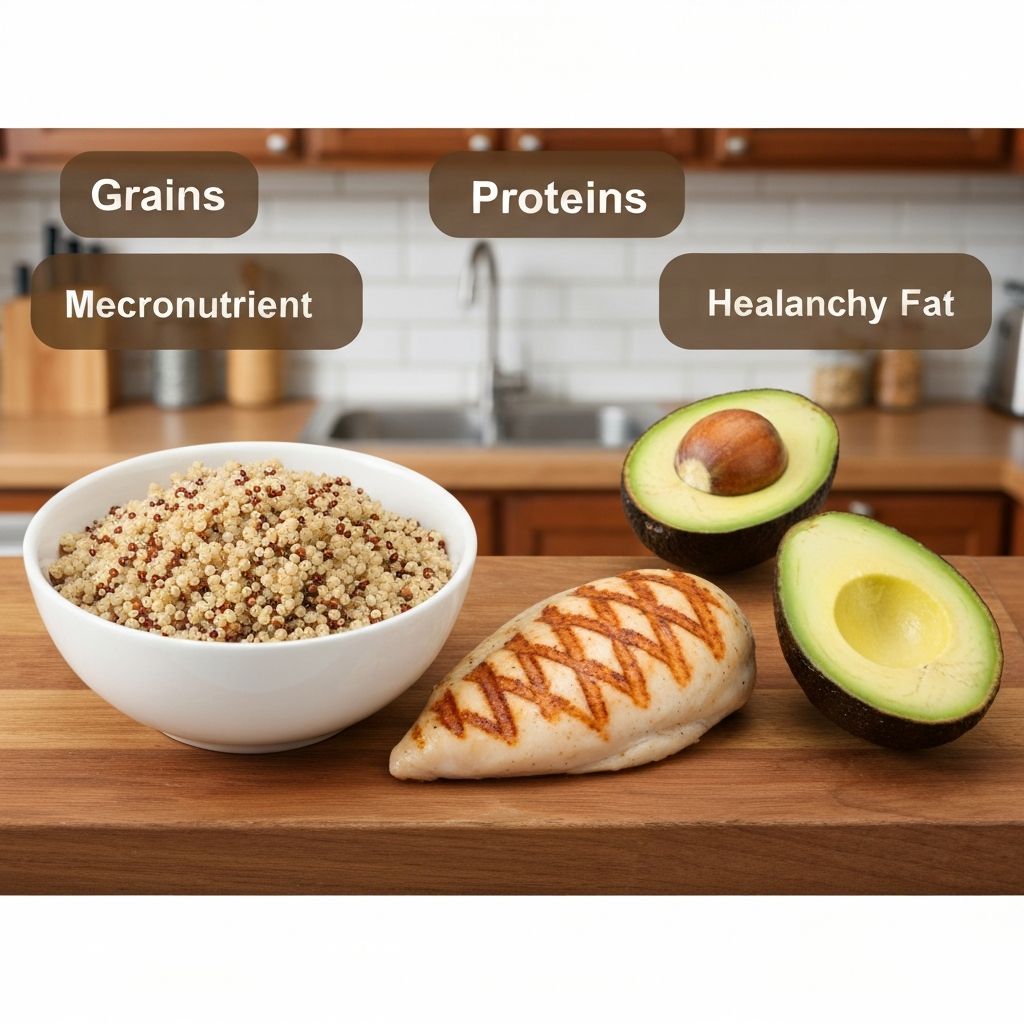
Carbohydrates, Proteins, and Fats
Macronutrients form the foundation of nutrition. Carbohydrates provide energy, proteins support muscle and tissue maintenance, and fats facilitate nutrient absorption and hormone production.
- Carbohydrates: Found in grains, fruits, and vegetables, they supply glucose for energy.
- Proteins: Present in meat, fish, legumes, and dairy, essential for tissue repair and enzyme function.
- Fats: From nuts, seeds, avocados, and oils, crucial for cellular health and nutrient transport.
A balanced approach to macronutrients supports consistent energy levels and bodily functions.
Micronutrients: Essential Vitamins and Minerals for Men
Vitamins and Minerals Explained
While needed in smaller quantities than macronutrients, micronutrients are vital for countless biochemical processes. Vitamins support immune function, energy metabolism, and bone health. Minerals regulate nerve signals, muscle contraction, and fluid balance.
Vitamins
Organic compounds crucial for metabolism, immunity, and tissue maintenance.
Minerals
Inorganic elements essential for bone structure, muscle function, and nerve transmission.

Sources of Key Vitamins: A Dietary Overview

Where to Find Essential Vitamins
| Vitamin | Key Sources | Role |
|---|---|---|
| Vitamin D | Fatty fish, egg yolks, mushrooms | Bone health, immune support |
| Vitamin C | Citrus fruits, berries, bell peppers | Immune function, collagen synthesis |
| Vitamin B12 | Fish, meat, dairy, fortified grains | Energy metabolism, nerve health |
| Folate (B9) | Leafy greens, legumes, asparagus | Cell division, DNA synthesis |
| Vitamin E | Nuts, seeds, vegetable oils | Antioxidant protection |
Minerals Crucial for Male Health: Food Guide
Understanding Essential Minerals
| Mineral | Food Sources | Function |
|---|---|---|
| Zinc | Oysters, beef, pumpkin seeds | Immune function, protein synthesis |
| Selenium | Brazil nuts, fish, whole grains | Antioxidant defense |
| Iron | Red meat, lentils, spinach | Oxygen transport in blood |
| Magnesium | Almonds, spinach, black beans | Muscle and nerve function |
| Potassium | Bananas, sweet potatoes, avocados | Heart rhythm, blood pressure |

The Role of Antioxidants in Daily Nutrition

Understanding Antioxidant-Rich Foods
Antioxidants are compounds that help protect cells from oxidative stress, a natural process in the body. While the body has its own antioxidant defenses, consuming antioxidant-rich foods supports this natural balance.
Primary antioxidant sources:
- Berries (blueberries, strawberries, raspberries)
- Dark leafy greens (spinach, kale)
- Colorful vegetables (red peppers, carrots)
- Nuts and seeds
- Green and black tea
A diet rich in various colorful plant foods naturally incorporates diverse antioxidants as part of a balanced approach to nutrition.
Fiber and Digestive Health: An Informational Guide
The Importance of Dietary Fiber
Dietary fiber, found exclusively in plant foods, plays a critical role in digestive health. It supports regular bowel function, promotes beneficial gut bacteria, and contributes to feelings of fullness.
Types of Fiber
Soluble fiber dissolves in water and is found in oats, beans, and fruits. It helps regulate blood sugar and cholesterol levels.
Insoluble fiber does not dissolve and is found in whole grains, vegetables, and nuts. It supports digestive movement and regularity.
Most people benefit from consuming a variety of fiber sources throughout the day to support overall digestive function and long-term health.

Hydration: Its Importance Beyond Thirst
Why Water Matters
Water is essential for every bodily function—temperature regulation, nutrient transport, joint lubrication, and cognitive performance. Proper hydration supports optimal physical function.
Daily Hydration Principles
Individual hydration needs vary based on activity level, climate, and metabolism. Rather than a fixed rule, listen to thirst cues and observe urine color as indicators of adequate hydration.
Sources of Hydration
While water is primary, fruits, vegetables, and other beverages also contribute to daily fluid intake. A balanced approach includes water as the main source with other liquids as complementary.
Balanced Eating Patterns: Principles for Well-being

Building a Balanced Plate
Rather than rigid rules, understanding balanced eating principles allows flexibility based on individual preferences and cultural traditions.
- Vegetables and fruits: Aim for variety and color—different pigments indicate different nutrients.
- Whole grains: Oats, brown rice, quinoa, and whole wheat provide sustained energy and fiber.
- Proteins: Choose diverse sources including lean meats, fish, legumes, and dairy.
- Healthy fats: Include nuts, seeds, avocados, and olive oil for nutrient absorption.
Balance, variety, and moderation are foundational principles for nutritious eating patterns.
Debunking Nutritional Myths: Common Misconceptions
Myth: All Carbs Are Bad
Fact: Carbohydrates are essential macronutrients. Whole grain carbs provide energy, fiber, and nutrients. Quality matters more than quantity.
Myth: Fat Makes You Fat
Fact: Dietary fat is necessary for hormone production and nutrient absorption. Healthy fats from nuts, seeds, and oils support overall health.
Myth: Eating Late Harms Health
Fact: Total daily nutrition matters more than meal timing. Some people eat dinner later; this doesn't inherently cause problems.
Myth: One Perfect Diet Exists
Fact: Nutrition science recognizes diversity. Different dietary approaches can be healthy; individual preferences and cultural traditions are valid.
Plant-Based Nutrients: Exploring Alternatives
Understanding Plant-Based Proteins and Nutrients
Plant-based foods offer diverse nutritional profiles. Whether someone follows a fully plant-based diet or simply incorporates more plant foods, understanding how to obtain various nutrients from plants is valuable.
Key Plant-Based Nutrients
- Protein: Legumes, tofu, tempeh, nuts, seeds, and whole grains.
- Iron: Lentils, chickpeas, dark leafy greens, fortified grains.
- Calcium: Fortified plant milks, leafy greens, tofu, almonds.
- Vitamin B12: Fortified foods or supplements for plant-based diets.
- Omega-3s: Flaxseeds, chia seeds, walnuts, algae sources.
Plant-based eating can be nutritionally complete when diverse foods are included.

Gut Health and its Connection to Overall Well-being
The Gut Microbiome
Your gut hosts trillions of microorganisms that influence digestion, nutrient absorption, and immune function. Dietary choices directly affect this microbial community.
Supporting Gut Health Through Diet
Fiber-rich foods, fermented foods like yogurt and sauerkraut, and diverse plant foods promote a healthy microbiome. A varied diet naturally supports microbial diversity.
The Gut-Health Connection
Emerging research shows connections between gut health and overall well-being. Nutritional choices that support digestive health contribute to broader health benefits.
Dietary Approaches Across Different Life Stages

Nutritional Needs Through Life
While basic nutritional principles remain consistent, specific needs evolve across life stages. Young adults, middle-aged men, and older adults have different nutritional considerations—though the fundamentals of balanced eating remain constant.
- Young Adults: Focus on establishing healthy eating habits and consuming adequate nutrients for development and energy.
- Middle Age: Maintaining nutrient density becomes important as metabolism changes; whole foods become increasingly valuable.
- Older Adults: Ensuring adequate protein, calcium, and B vitamins supports muscle maintenance, bone health, and cognitive function.
Adapting eating patterns to life circumstances while maintaining core nutritional principles supports well-being throughout life.
Further Explore Our Nutritional Insights
Deepen your understanding of nutrition, discover more about specific nutrients, or explore answers to common questions about healthy eating patterns.
Learn About Healthy Eating
Explore detailed nutritional principles and how different foods support well-being.
Read MoreFor Men's Health
Discover nutritional topics specifically relevant to men's overall well-being.
Discover Scientific FactsCommon Questions
Find answers to frequently asked questions about nutrition and healthy eating.
Explore Nutritional InsightsEducational Content Only. No Promises of Outcomes.
This website provides objective, educational information about nutrition and healthy eating principles. All content is presented without medical claims, product recommendations, or promises of specific outcomes.
Different dietary approaches work for different people. Individual nutritional needs vary based on genetics, activity level, health status, and personal preferences. This site explains nutritional science without advising specific health decisions.
For personalized dietary guidance, especially regarding specific health concerns, consult with qualified healthcare professionals or registered dietitians.